Support Irish Radio History Archiving

Irish Pirate Radio Recordings

Thursday, 21 January 2021

Urgent Need for A New 'Low Power Occasional FM' License from the BAI


A new Wireless Telegraphy Act was legislated in Ireland in 1988 and it delegated responsibility to the Broadcasting Authority of Ireland[1] to implement the law and licence independent radio stations in Ireland. Initially the franchises for a national commercial station and local radio were awarded and this was followed by regional, community, institutional and temporary licensed stations.


The passing of the new laws was aimed at eliminating the proliferation of pirate radio that dominated the airwaves from the late 1970’s throughout the 1980’s until December 31st 1988. The issue today is that with changes in technologies, listener habits and the importance of radio within communities, the 1988 laws need to be amended and a new form of license created, the Low Power & Occasional FM license.


According to the BAI website,

‘The BAI can award temporary sound broadcasting contracts for a period of up to 30 days in a 12 month period, (“a regular temporary service”). In addition, the BAI can award a temporary sound broadcasting contract to an applicant group that is representative of, and accountable to a community in a particular area, or a community of interest in an area for a period of up to 100 days in a 12 month period, (“a pilot community temporary service”).’


Regular temporary sound broadcasting contracts of up to 30 days are typically awarded to educational and / or student groups, and other groups for special event purposes, for example festivals, drive-in movies and other small area services. The BAI awards approximately 25 such licences per year.[2]


The list of licensed stations for October 2020


The 30 day limitation has become one problematic issue in 2020 for the legislation. The arrival of the Covid19 pandemic has increased the use of radio as a form of communication for communities. The increasing use by the Catholic Church of unlicensed and therefore illegal FM transmitters has become an issue not just for the BAI but for ComReg, the spectrum regulator. With parish churches closed to parishioners, Mass has been celebrated on FM especially in rural communities.


The authorities had implemented a WPAS license scheme on a CB band for churches but this has become outdated and difficult to maintain. As of December 2020, there were at least 100 churches broadcasting Mass daily on FM. (See Church Pirate Radio ), this form of broadcast would require a specific licence to broadcast far in excess of the current 30 day limit.


The application process also needs to be simplified to take into account of the number of parishes requiring licenses and that those operating the Church FM channel change frequently as priests are transferred from parish to parish or elevated within the church. Ireland is in a unique position with the dominance of one religion and its use of the FM band. The Church are not alone using the FM spectrum (87.5mhz – 108mhz) by utilizing unlicensed transmitters.


The BAI website does allow for applications for special event broadcasts such as drive in cinemas but in December 2020 with cinemas and theatres closed a number of the seasonal pantomimes were conducted as drive ins using an FM transmitter to provide the in-car sound but these too did not have a license from the BAI to broadcast and were therefore illegal. (see Pantomime Pirate Broadcasts)


A number of festivals in Ireland in 2019 operated a low powered local station for the three/four days duration of the festival but in all but two cases, no license was applied for or granted. One festival organiser cited the expense and the complicated requirements of the BAI application form with regards to ownership and funding. The cost of a licence application is approximately €750.


There are a number of other countries who allow temporary licensed stations. In the United Kingdom they are known as Short Restricted Service Licenses (SRSL’s). The OFCOM website issues the following specifications.

How long are the licences for?

Up to 28 days – broadcasting for either consecutive days, or non-consecutive days, within a 28-day period

Are there any other things to be aware of when we apply?

There are full details in the guidance notes, but you should particularly be aware that: These are issued on a first-come, first-served basis. So, if we receive more than one application in the same area, we would consider the application we received first.

How much do they cost?

£400 application fee Licence fees depend on if you’d be using FM or AM, the power you’d be using, and how many days you are on air. If you’d be using FM at a power level of up to 1W, the licence fees are £35 a day for the length of your licence. If you’d be using FM at a power level of above 1W, the licence fees are £70 a day for the length of your licence. If you’d be using AM at a power level of up to 1W, the licence fees are £25 a day for the length of your licence.

What type of service might they be used for?

These might be used if you’re planning a one-off event, like showing drive-in movies over a weekend or several days within a 28-day period.

For churches there is a further type of license is available from Ofcom,

How long are the licences for?

Up to 28 days – but for non-consecutive days over a period not exceeding 12 months.

Are there any other things to be aware of when we apply?

There are full details in the guidance notes, but you should particularly be aware that: These are issued on a first-come, first-served basis. So, if we receive more than one application in the same area, we would consider the application we received first. If you apply for a power level of above 300mW, these can only be considered if there has been no SRSL activity nearby in the past three years.

How much do they cost?

£400 application fee Licence fees depend on if you’d be using FM or AM and the length of your licence. If your broadcast period is between 29 and 140 days and you’d be on FM, the total licence fees are £1,700. If above 140 days on FM they’re £2,250. If your broadcast period is between 29 and 140 days and you’d be on AM, the total licence fees are £1,095. If above 140 days on AM they’re £1,670.


What type of service might they be used for?

These might be used if you’re planning a regular broadcast on a few days a week over a longer period than a month, like a regular drive-in church service every Sunday.


Meanwhile the Australian Communications and Media Authority also issues special event licenses[3],

Definition of a special event

To broadcast with an open narrowcast licence, the special event must:

  • last no longer than 30 days
  • be significant for cultural, sporting or other community reasons.
  • have one or more specific organisers.

Examples of special events are:

  • the Australian Formula 1 Grand Prix
  • Olympic Games or Commonwealth Games
  • cultural events such as horticultural or flower shows.
  • artistic exhibitions 

Who can apply?

We only issue one special event licence for each event. To apply, you need to be:

  • the event organiser 
  • a peak body

You will need to share air-time if:

  • we receive more than one application for an event.
  • applicants disagree about who the main body is.

In this situation, we will ask you to:

  • discuss and agree the shared air-time arrangement 7 weeks before the event. 
  • give us this agreement no less than 3 weeks before the event. 

If you cannot agree, we will consult with you and allocate licences equally. 

How to apply

To apply for a transmitter licence for a special event: 

A special event licence may include one or two days before the event for testing.

If we approve your application, you need to pay a transmitter licence tax.

You may allow other people to operate a transmitter under your licence. If you do, you must write to them to confirm the agreement. You must give us details of the agreement if we ask.

What we consider

When we issue a licence, we balance:

  • the needs of the public in the long term
  • an immediate and high-level demand at the event

If your requested frequency is not available for the special event, we will try and find an alternative frequency. You can only use this:

  • for the exact special event purpose 
  • the exact location of the event


For the FM transmitters that equates from € 270 to € 26 per license.


In the United States the FCC licenses low power FM stations.

‘The Low Power FM (LPFM) radio service was created by the Commission in January 2000.  LPFM stations are authorized for non-commercial educational broadcasting only (no commercial operation) and operate with an effective radiated power (ERP) of 100 watts (0.1 kilowatts) or less, with maximum facilities of 100 watts ERP at 30 meters (100 feet) antenna height above average terrain (HAAT).  The approximate service range of a 100 watt LPFM station is 5.6 kilometres (3.5 miles radius).  LPFM stations are not protected from interference that may be received from other classes of FM stations.  A construction permit is required before an LPFM station can be constructed or operated.  The mere filing of an LPFM application does not authorize any construction or operation.’

This is the FCC list of the LPFM licenses in New York alone and the relevant body or group operating the licenses.


Q:  What type of costs are involved?

sort byA:  There is no application filing fee and no fee for the LPFM construction permit.  However, there are construction and operating costs associated with an LPFM radio station.  The costs can vary widely depending on the type and quality of studio and broadcasting equipment used, as well as whether a tower is required.  For an idea of how much equipment costs, NTIA’s Radio Station Construction Costs may help, but keep in mind that these figures are several years out of date.  We recommend that you do not purchase any equipment until after the applicant obtains a construction permit, to avoid purchasing equipment that cannot be used.[4]


PROPOSAL

An FCC style system of licensing would suit the occasional broadcasters in Ireland including churches, drive in entertainment and local festivals with some modifications. The Low Power Occasional FM license could be as follows,

A Low Power FM transmitter license would cover broadcasts with a radius of 3 miles in city environments, 5 miles in urban areas, 10 miles in rural areas. Broadcasts would be restricted to a maximum of three hours per day. This license would be suitable for church broadcasts. 

Cost per annum €150.00, if there are no requirements for the payments to PPI or IMRO. An additional one off payment of €250.00 would cover legal and set up fees.

The licensee must show that the premises is compliant with local authority planning regulations. The licensee understands that their broadcasts are subject to compliance with the Broadcasting Complaints Commission.

The Low Power Occasional FM License will cover broadcasts with a radius of 3 miles in city environments, 5 miles in urban areas, 10 miles in rural areas. Broadcasts would be restricted to 5 days in one calendar month. This would suit drive-in entertainment venues and annual festivals. These stations would be allowed 7.5 minutes advertising or product placement per hour. The fee would be €40.00 per day or part thereof of broadcasting up to a maximum of twelve hours per day. Festival stations would be required to specify the length of their on air activities.

The BAI would set up a dedicated mobile service or easily transported set up that could be rented for the duration of any event. This would include all or part of a radio station, studio, transmitter equipment and aerial plus the allocation of frequencies.

This does not take into account any planning permissions required for the addition of a radio station or changes to any group or organisations insurance company terms and conditions.


This new form of license would regulate a current disorganised spectrum and provide ComReg with a framework of policing the airwaves. At present ComReg only apply their expertise and enforcement on pirate radio transmitters that are broadcasting music and have ignored the growing number of illegal transmitters broadcasting across Ireland daily. 


If you would like to support my work in preserving and presenting the history of Irish radio and archive as much broadcasting history as I can, then for the price of a cup of coffee (takeaway these days) you can financially support the work at https://ko-fi.com/irishbroadcastinghistory. Thank you. (Use the button at the top of the page to support)


[1] Originally known as the Irish Radio and Television Commission (IRTC) and later the Broadcasting Commission of Ireland (BCI)

[2] https://www.bai.ie/en/broadcasting/licensing-2/radio/

[3] https://www.acma.gov.au/licence-broadcast-special-events

[4] https://transition.fcc.gov/fcc-bin/fmq?state=NY&serv=FL&vac=&list=1

Wednesday, 20 January 2021

'Anoraks Ireland' donation to the Irish Pirate Radio Archive


Paul Davidson supported and reported on the golden era of Irish pirate radio through the fan support organisation 'Anoraks Ireland' and its fanzine. Paul travelled Ireland visiting, recording and documenting the hundreds of pirate radio stations that operated in Ireland especially in the 1980's.


This is one of the most important & invaluable collections that shine a light on the golden era of Irish pirate radio. Paul has agreed to donate his immense collection on memorabilia and audio to the Irish Pirate Radio Archive at Dublin City University. Our thanks to Paul.

Wednesday, 13 January 2021

Radio Nova, Playing All Over Liverpool...NOW

(c) DX ARCHIVE


For Chris Cary, his powerhouse and revolutionary Radio Nova was the dominant station in Dublin and the greater part of Leinster. His station built its success on ‘broadcasting to Dublin’ but for a broadcaster to cut his teeth on board Radio Caroline in the North Sea, the conquering of his homeland was the next big adventure. Because of his powerful transmitters on both FM and AM, Radio Nova’s signal travelled across the Irish Sea, sweeping over the Isle of Man and reaching the coast of Merseyside. Cary realised that he could tap into a newer and bigger market on mainland Britain. National commercial radio had yet to arrive in Britain and in large cities like Liverpool listeners had the basic choice of BBC local radio or an ILR.


Radio Nova began announcing that they were ‘broadcasting from Dublin’ and Liverpool, a city with a large Irish diaspora, was the first primary target, with what he hoped would be a powerful longwave transmitter to follow and cover a large swathe of Britain. By late 1984, Nova was a popular choice for listeners in Liverpool, challenging the positions of Radio City (ILR) and BBC Radio Merseyside. Other choices including the national BBC Radio One were being quickly left behind. Cary through his UK based company ABC Music Radio Limited opened an office in Liverpool city centre at Suite 411, Cooper Buildings, Church Street. The two legal stations in the city were hampered by regulations when Cary was not. Radio City was limited to ‘9 hours needle time in every 24 hours’[1], while their BBC counterpart was under even tighter constraints limited to ‘3 hours needle time in 18 hours’.


To generate publicity in August 1984, Nova divided it on air promotion of £10,000 into two prizes with one to be won in Ireland and one in the UK. Problems arose as the Dublin phone system was overpowered by the volume of entries and was deferred to a later date but the UK winner was former Blackpool resident Sue Wheldon from the Wirral, who was flown with her family to Dublin and collected her cheque from Cary himself at Nova Park. By September their jingles were already promoting ‘Radio Nova playing all over Liverpool..now’.


The station generated more newspaper stories when they ran a competition to find new on-air personnel including DJ’s and newsreaders. In October 1984, they announced that DJ’s on Merseyside would be auditioned for the positions at the station that could earn them up to £25,000 per year, considerably more than was offered at either Radio City, Merseyside or even RTE Radio 2. The Liverpool Echo[2] was reporting that through a locally based advertising agency, Nova was spending £50,000 on promoting the station within the Merseyside and Lancashire areas.


The station despatched DJ’s to headline gigs in the Merseyside area including their participation in an anti-heroin campaign which was launched at Mr Pickwick’s nightclub in February 1984, headlined by Nova DJ’s.


Only a handful of British advertisers used Nova and the office closed, this despite the fact that Nova aimed their programming at a British audience with British news, weather and traffic reports. As one commentator reported "What would the guy listening in the Liberties, Dublin want to know about traffic jams on the M6"[3].


[1] Liverpool Echo Newspaper November 16th 1984

[2] October 10th 1984

[3] The Sunday World

Saturday, 9 January 2021

The Irish Government Funds A 2020 Dublin Pirate Radio Station - It's Time for LPFM Now


Some time ago, I wrote extensively on the use of illegal FM transmitters by the Catholic Church across Ireland. The call then was for a better process of licensing by the BAI, both to regulate the FM band and to legalise these pirate radio broadcasts. The implementation of a Low Power FM (LPFM) licensing policy would eradicate these illegal broadcasts and provide listeners with confidence. When the hobby pirate radio stations began to appear in the 1970’s and early 1980’s, the then Department of Posts and Telegraphs were proactive in detecting, raiding and closing these stations. They were prosecuted under the 1926 Wireless Telegraphy Act but when that law became porous, it led to the proliferation of hundreds of pirate radio stations across Ireland. The 1988 Wireless Telegraphy Act closed the majority of pirate radio station across Ireland and significantly increased the penalties for illegal broadcasting up to €20,000 fines and/or two years in prison. These illegal services were replaced by legal, licensed, national, local, regional, institutional and community radio stations. The Broadcasting Authority of Ireland also annually issues temporary licenses to local communities, events and sporting organisations.

http://www.irishstatutebook.ie/eli/1988/act/19/enacted/en/print.html

 Pirate operations since 1988 have been subject to raids and harassment, some for causing interference. The enforcement of the radio spectrum was devolved to ComReg but as the issue of the pirate Church broadcasts illustrated, ComReg have failed to act with an even hand, and have failed to correctly identify that there is an issue with illegal broadcasters especially on the FM band.

 https://ibhof.blogspot.com/2020/07/revealed-worlds-largest-pirate-radio.html

Further infringements of the 1988 Wireless telegraphy Act have come to light that have been ignored by ComReg and the BAI. As it was in the 1970’s, when the problem was ignored, it got out of control and enhanced legislation was required. That is why we call on the Government to immediately bring legislation to license LPFM stations. 


The Covid pandemic has forced the entertainment industry to discover new ways to interact with their audiences. We commend this, and appreciate that these services provide employment, enjoyment and impact positively the mental welfare of a nation under the effects of restrictions. This however should not encourage entertainment groups to flout the law or disregard a licensing process, which can be cumbersome and expensive. A temporary license from the BAI will cost the operator approximately €750 - €1,000 per license.

Alan Hughes, the Ireland AM and Virgin Media presenter, produced and starred in the 2020 pantomime ‘Peter Pan’. Alan and his partner Karl Broderick have been stalwarts of the annual Christmas festivities for many years, providing top quality entertainment. Due to Covid restrictions, the in person theatre experience stopped but the Peter Pan panto found another way of bringing their extremely popular show to the public. With funding from the Department of Tourism, Culture, Arts, Gaeltacht, Sport and Media, the show became a big screen drive-in show at Malahide Castle.

Taken from in-car at the Malahide Castle Pantomime

The action was relayed on a big screen for the drive-in audience while the in-car experience was relayed via 93.7mhz FM. Despite the fact that the Government Department, led by Catherine Martin TD, in charge of broadcasting funded the show, the transmitter used to broadcast on 93.7 was illegal. No license had been sought from the BAI to broadcast on FM. The response of the BAI was,

Panto.ie did not apply for such a licence.’

A pirate radio broadcast was funded by the Government and the taxpayer without oversight. This is the Irish State condoning and financing pirate radio. The BAI, temporary license list for the period documented a number of drive-in movie companies having sought and were awarded licenses. An email to the BAI elicited this response,

Hi Eddie

 Drive in movies require a contract with the BAI if they are using FM to provide audio to cars. The change in COVID regulations brought a premature end to the panto, so any illegal use of 93.7MHz was limited to a few days at most. We have granted temporary licences to a few drive in movie operators, but Panto.ie did not apply for such a licence.


Such illegal use of FM is an issue for ComReg, but the BAI does forward any information about such illegal broadcasts to ComReg.

 Regards


The clarification from the BAI left no doubt that the transmitter used at the pantomime was illegal as no license had been sought as required under law. Government sponsored illegal broadcasting is a dangerous precedent to be setting. This once again demonstrates the need for new legislation to provide for Low Power FM licenses that would assist the entertainment industry and local communities.


I reached out for a comment from the Producers of the show but to date no reply has been forthcoming. 


If you would like to support my work in preserving and presenting the history of Irish radio and archive as much broadcasting history as I can, then for the price of a cup of coffee (takeaway these days) you can financially support the work at https://ko-fi.com/irishbroadcastinghistory. Thank you. (Use the button at the top of the page to support)


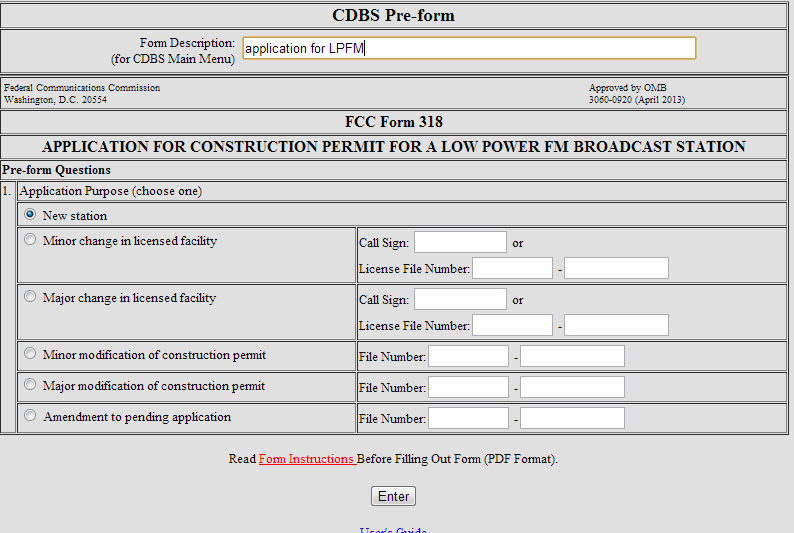
 The application for the LPFM license from the FCC authorities in the United States


Tuesday, 29 December 2020

'You may have his body, but we have his soul’’. The Tragic Story of Ireland's First Assistant Director of Broadcasting


The Daily Mirror October 1929


Just four years after the foundation of the Irish Free State, Ireland would see the opening of its own radio station, 2RN, broadcasting from Dublin. Although there was no official an anti-Catholic stance by the new station and its management, the lack of religion and religious services was a great source of annoyance for the Church. The Church had been keen to be seen as a supporter of radio when it first went on air in 1926. The hierarchy believed that radio would aid its dominance over a subservient and faithful population. This stance was reinforced when 2RN later Radio Athlone and Radio Eireann ceased all broadcasts on Wednesday, Thursday and Friday of Easter Week, which continued up to 1936, after then only silent day was Good Friday. It was a further source of frustration for the Church that the national radio station did not carry a weekly broadcast of Mass. This was more difficult when the faithful knew that the station in Belfast, 2BE, broadcast a daily service courtesy of the BBC, and a Sunday service from various Protestant churches across Northern Ireland. 2RN would offer the excuse that they did not have the equipment to properly broadcast Mass from a church, the microphones were clunky and silences during Mass did not suit broadcasting. The BBC had circumvented that obstacle when they built a separate permanent studio to host religious services.


 If you would like to support my work in preserving and presenting the history of Irish radio and archive as much broadcasting history as I can, then for the price of a cup of coffee (takeaway these days) you can financially support the work at -              https://ko-fi.com/irishbroadcastinghistory. Thank you. Now on with the story


When 2RN began test transmitting in advance of the official launch on January 1st 1926, one of the test broadcasts was a massed choir singing Handel’s Messiah from the Methodist Church on St Stephens Green[1]. This rang alarm bells across the Irish Catholic church.


Under the leadership of 2RN director general Seamus Clandillon, the station tried to avoid politics and religion on the radio. They did however allow religious figures deliver talks on the radio but they very heavily vetted and occasionally censure prior to the live broadcast. It was however causing resentment with the listening in community. In a letter to the Irish Independent in March 1926, one listener wrote,

‘There was an excellent Catholic service with an address from Father Kernan, St James Church, Reading broadcast to millions of listeners through Daventry on Sunday night. It was relayed even to Belfast. Catholic services are frequently broadcast from other British statins. We could profit from an occasional service of the kind’

The following October, the 'Radio Times' announced for Sunday a Catholic religious service from their London Studio, conducted by a, well-known Jesuit. One listener said,

‘I notice that it is being relayed to Daventry, Belfast, Bournemouth, Manchester, and other British stations. Why is Dublin out of the picture?’


The Church Hierarchy had supported the Pro Treaty forces and Cosgrave’s Government during the Civil War and De Valera had been excommunicated for his anti-treaty activities but this was quietly ignored after he won the 1932 General Election. Yet the Church authorities viewed De Valera and his Government with suspicion despite the success of the Eucharistic Congress. DeValera’s Department for Posts and Telegraphs never pressured the state broadcaster to broadcast Mass.


In March 1927, the Donegal news reported under the headline ‘Two Ex-Belfast men get positions in Broadcasting Department’. Belfast born Sean Neeson and a Queens graduate was appointed to head the new Cork broadcasting station 6CK, while a Queens University lecturer Frederick O’Connell was appointed to the position of Assistant Director of Broadcasting at 2RN.


Feardorcha Ó Conaill or Frederick William O'Connell was born on October 22nd 1876 in the Gaeltacht, near Clifden, County Galway to William Morgan O'Connell, a Church of Ireland canon, and his wife Catherine Donnelly. Fluent in Irish He attended Trinity College Dublin from 1891 and was ordained in 1902 as a Church of Ireland clergyman appointed to Newtownforbes, County Longford. Ó Conaill married Helen Young in 1905; they had three sons before she died of tuberculosis in 1925 after the couple moved to Dublin. He later married Marcella Graham, a French Catholic. In 1907 he earned the post of lecturer in Celtic language at Queen’s University Belfast. He began to work as a writer, and as a translator to and from Irish often under the pen name ‘Conall Cearnach’, a after the legenadary hero. He was known especially for editing the work of Peadar Ó Laoghaire. He began appearing on the new Dublin station 2RN, delivering talks in both English and Irish on diverse subjects such as the use of language, the Wren boy tradition and Connaughtmen.


The appointment in March 1927, just over a year after the opening of the Irish station, of a Protestant clergyman, although widely respected, to a leading post at the national broadcaster was greeted with both surprise and disappointment by the Catholic church. Among his other duties, and because of his linguistic skills, he had charge of correspondence with foreign radio stations. On 1 January 1929 he broadcast New Year greetings in ten languages. Maurice Gorham, a former DG of RTE, in his book ’40 Years of Irish Broadcasting’ said that Seamus Clandillon had got his long promised Assistant Director and ‘an exceptionally good one’


His tenure at the station was tragically cut short in October 1929. Having been working earlier in the day filling in for announcer Seamus Hughes, who was on holidays, shortly after 8.30pm on October 19th 1929, as he walked with his wife, Marcella, in Ballsbridge not far from his home on Mount Street, when he was struck by a local bus and killed instantly. They couple had been on their way to dine with Eamon DeValera and his wife Sinead.


The Cork Examiner on October 22nd 1929 reported the inquest into the accident.

‘The tragic death of Dr. Wm. Frederick O'Connell, of 30 Upper Mount St., Dublin, Assistant Director of the Dublin Broadcasting Station, who lost his life when knocked down by a 'bus on Saturday night last, was the subject of an inquest held in the Royal City of Dublin Hospital to-day by the Coroner, Dr. Joseph Brennan, and a jury.

Archdeacon William Morgan O'Connell, of Clifden Rectory, Co. Galway, identified the remains as those of his son, who, he said, was aged 52 years, and whose 53rd birthday was to-day (Monday), he was Assisting Director of the Dublin Broadcasting Station.

Dr. M. Finegan, Royal City of Dublin Hospital, stated that when admitted, life of the deceased man was extinct. The skull, left jaw, and two ribs were fractured. There were several cuts and skin abrasions, both legs and arms being thus injured. Death was due to shock and haemorrhage. At this stage, the Coroner intimated, that the inquest would be adjourned pending the Police Court proceedings against the driver of the bus. They could not, however, allow the occasion to pass without marking their sympathy to the relatives of the deceased. Through the death of Dr. O'Connell the country had lost a great man. His life was devoted to one great ideal, the nationalisation of the language. He stood for all that was good, and for the preservation of national traditions and practices.

Mr. E. H. Byrne, on behalf of the owner and driver of the bus, joined in the expression of sympathy. As well as knowing Archdeacon O'Connell. he had the advantage of being a friend of Dr. O'Connell. Certainly, the country had lost a wonderful son. At the District Court, Charles P. Millar[2] was charged with causing the death of Dr. O'Connell. Formal evidence of arrest was given and the hearing was adjourned until tomorrow.

The injured man had been taken by ambulance the short distance to Baggot Street hospital but was pronounced dead on arrival.


According to the book ‘The Green King’ by Reggie Chamberlain-King he said that

‘His death was not straightforward, with a dispute arising over whether he should have a Protestant or Catholic funeral[3]. When no one would transport the coffin to the Anglican church, it fell to O’Connell’s eldest son, Maurice, to drive the coach. The family stayed with the body, in the church, overnight to prevent it from being stolen and buried elsewhere’

When he died, he was given the last rights by the Catholic priest Reverend McGough from nearby Haddington Road Church. According to the Derry Journal O'Connell had been baptized on November 6th 1924 at the Holy Cross Church on the Ardoyne. According to Paddy Clarke, author of ‘Dublin Calling’ and an RTE Archivist.

‘It is said that when his body was removed by train to Clifden station, an unseemly tussle broke out between his father, the Rector- Archdeacon and the Catholic parish priest Monsignor McAlpine, over who should take custody of the body. The Rector was victorious but went off to the echo of McAlpine’s cry, ‘you may have his body, but we have his soul’’

Clarke also surmised that O’Connell may have been intoxicated at the time of the accident.

Frederick O’Connell was buried at Ballinakill, Moynard, County Galway after a service at the Clifden protestant church. As a mark of respect the Dublin Broadcasting station fell silent on Monday at 1.30pm, the moment O’Connell would have been next due in air.


By 1934 despite the success of the Eucharistic Congress broadcasts in 1933 and the opening of the powerful Athlone transmitter allowing the whole nation to hear the radio, the New South Wales Press reported

‘Many readers may be surprised to learn that there is not a Catholic radio station in Ireland. No doubt the reason is that because the country is so overwhelmingly Catholic, people believed that when the DeValera Government founded the powerful Athlone station it would be a Catholic station. Perhaps it is in a sense, but as it is a Government service most of its work is civic. The announcement is now made that an exclusive Catholic radio station may be opened in Ireland. There is no official confirmation of the news, which appeared in a Dublin newspaper, but on the other hand it has not been denied. Negotiations are said to be proceeding with the Government, and Mr. DeValera is known to be favourable to the project, which, if it succeeds, would enable an effective relay of the Vatican station. Wireless experts have been busy with suggestions since the project was announced, and these include the provision of a shortwave station and the establishment of a landline from Italy.’


[1] Evening Herald December 21st 1925

[2] Known as Percy, he drove a bus belonging to The St Hever Bus Company that operated a route from Dalkey to Dublin City Centre. The company was owned by Mr McMahon

[3] It is believed that when he married Marcella he converted to Catholicism.